
 Slovenščina
 English
 Hrvatski

Medicinal herb
Blackberry
Rubus fruticosus L. agg
The blackberry (Rubus fruticosus) is a thorny shrub with white and pink flowers and black berries, growing at the edges of woods and in clearings. The leaf is used, gathered before flowering. Traditionally used as a gargle for irritation of the mouth and throat and for mild diarrhoea.

About the herb
What blackberry is
the leaf of blackberry (Rubi fruticosi folium)
The blackberry (Rubus fruticosus) is a thorny, scrambling shrub with white and pink flowers and black compound berries that ripen from July to September. It grows at the edges of woods, in clearings, along boundaries and beside paths, often in impenetrable thickets.
For tea the young leaves are gathered in spring and early summer, before flowering, while they are still soft; older leaves are tough and full of tannins. Gloves are worn because of the thorns. The leaves are dried in the shade; some leave them to ferment slightly before drying, which gives them a darker colour and a fuller taste.
The berries are gathered fully ripe, when they come away without force. In Ašič's collection the leaf of the blackberry appears in Family Tea and in the For Children blend.
Use and evidence
For the leaf, traditional use is connected above all with mild diarrhoea and inflammation of the mouth or throat, but the species or the drug has to be precisely specified. Claims about diabetes and cancer are removed.
Safety and precautions
Tannins can affect the absorption of medicines. Because of the taxonomic uncertainty, a supplier must not use the designation Rubus fruticosus alone, without a specification.
These notes are general and do not replace advice from a doctor or a pharmacist, above all in pregnancy, while breastfeeding, in children and alongside medicines.
Products containing this herb
Where you will find it in the range
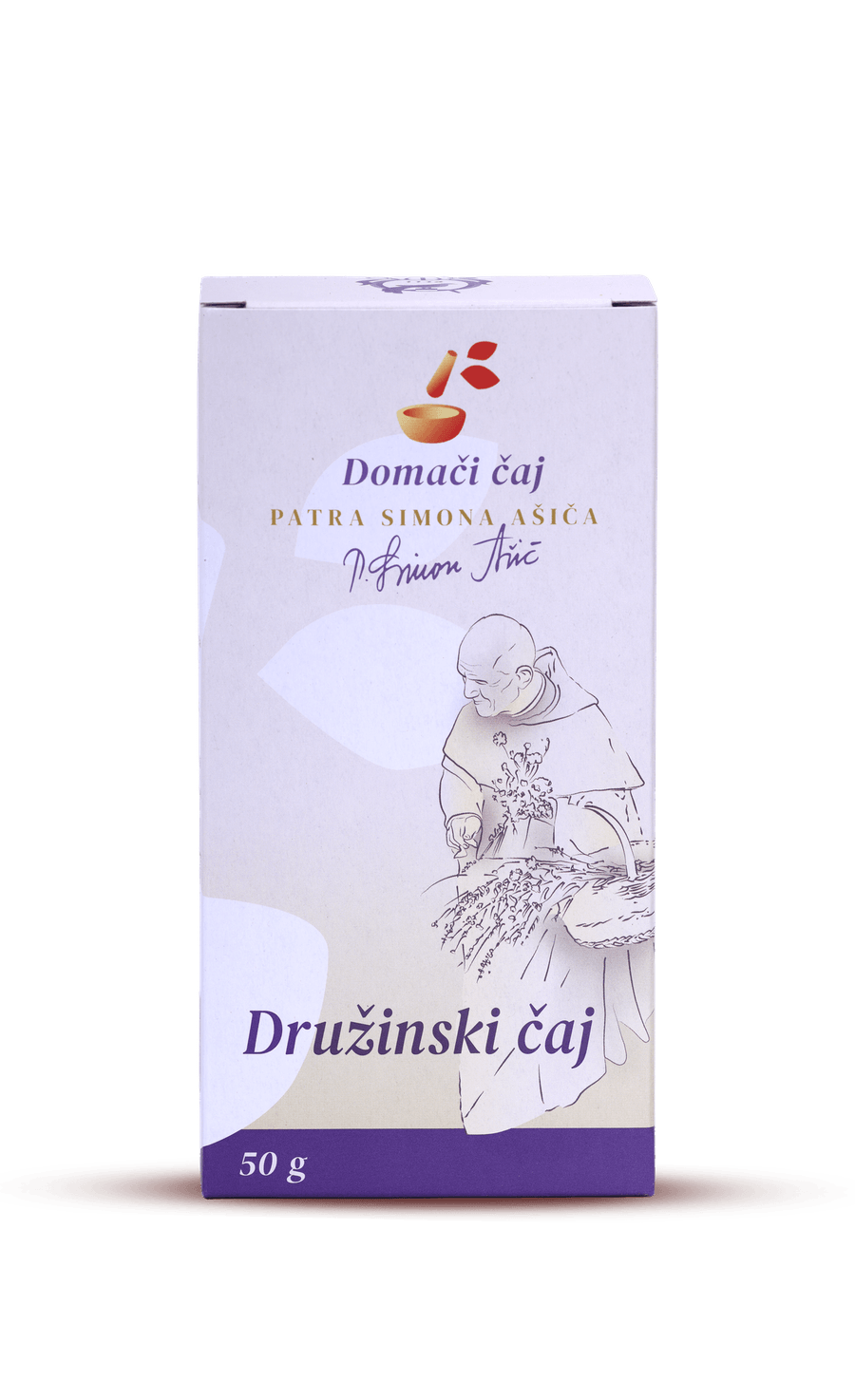
5 products from Ašič's pharmacy contain blackberry. The composition is listed with every product.
-
-

-

-
Out of stock 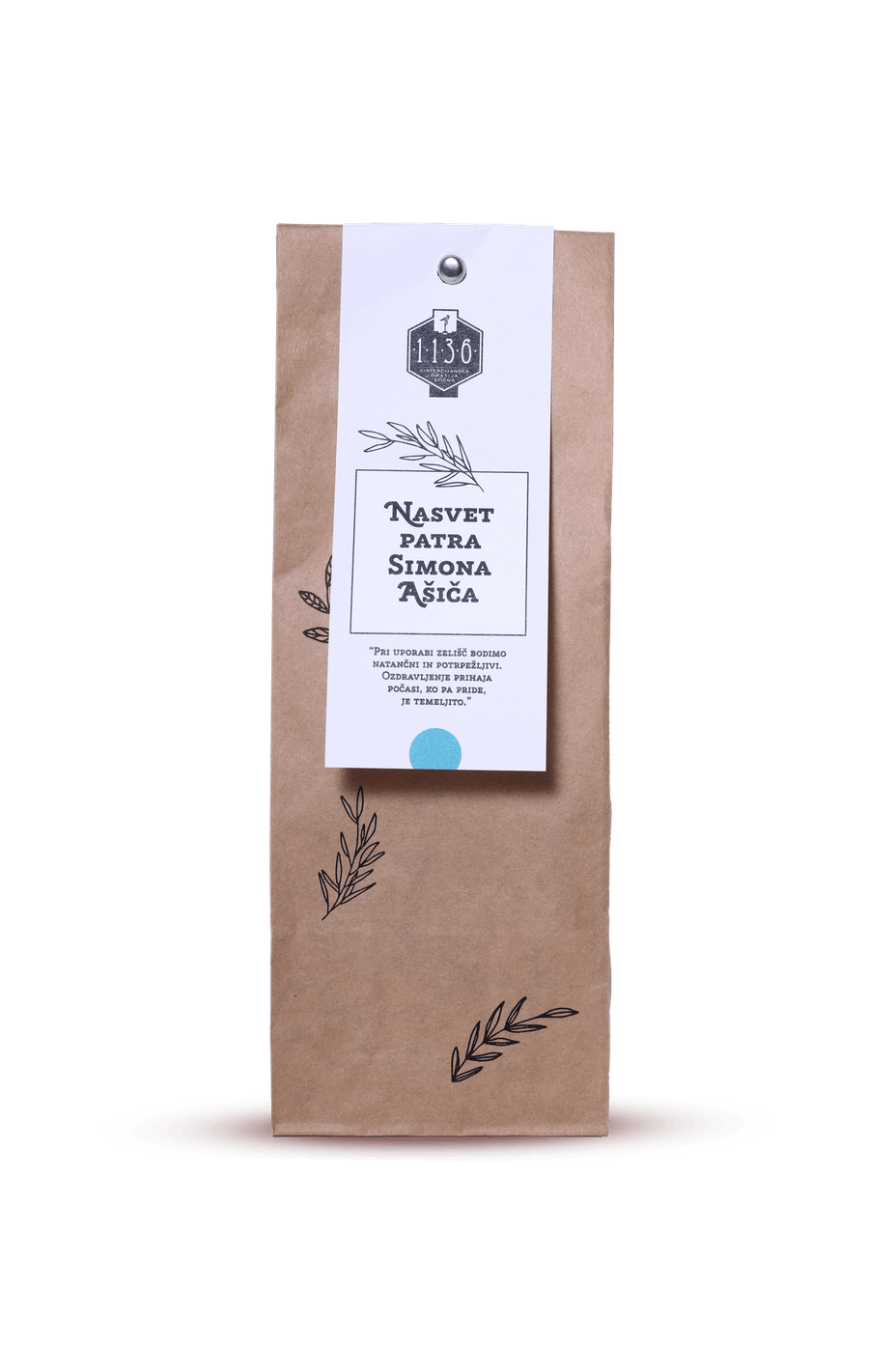
Father Simon Ašič's Advice
prehlada-i-kasalj · imunitet
The herbal and the fruit half in equal measure
€5.30
-
Out of stock 



Frequently asked questions
What people ask about Blackberry
Which products is blackberry in?
Blackberry is an ingredient of these products: Family Tea, For Children, Refreshing Tea, Father Simon Ašič's Advice, Refreshment from the Monastery.
How is a tea from this plant made?
The instructions differ from blend to blend. For Family Tea they are: Pour 3 decilitres of boiling water over two teaspoons of the blend. Leave it covered for 10 minutes, then strain. Drink it freshly made, several times a day, within 2 hours of brewing. If you like, enrich the tea with a spoonful of apple cider vinegar.
Are there any warnings about its use?
The product is no substitute for a varied, balanced diet and a healthy way of life. Its use is no substitute for treatment with prescribed medicines. Ask a doctor about use during pregnancy and breastfeeding.
How do I find out which blend is the right one for me?
Ring the pharmacist on +386 1 78 77 065 (Mon, Wed, Fri 8.00–14.00). Tell him what is troubling you and he will tell you what is traditionally used for it.
Related herbs
Often in the same blend


Newsletter
Ašič’s advice, once a month
